


Phu Quoc Prison Museum: Vietnam's Hidden Wartime Scars
- rootytriptravel
- Jun 16
- 2 min read
Phu Quoc Island is a symphony of sensory delights. The air smells of salt, pepper, and grilling seafood. The shoreline is a gradient of turquoise glass, and the sunsets paint the sky in violent shades of orange. It is marketed as Vietnam's tropical crown jewel, a destination for honeymooners and luxury seekers. Yet, just a short drive from the bustling night markets, a different rhythm beats—a somber, muffled pulse beneath the soil. This is the Phu Quoc Prison History Museum, a place that houses the island's hidden wartime scars.
Unlike the war remnants scattered across the mainland, the trauma here feels strangely isolated, trapped on an island that now peddles escapism. To walk through the museum's gates is to cross a threshold where the laughter of the beach fades into the anguished silence of memory. The barbed wire is not a prop; it is a rusted testament. The ground, now swept clean for tourists, once soaked up the blood of thousands of prisoners held during the American War.
The Geography of Pain
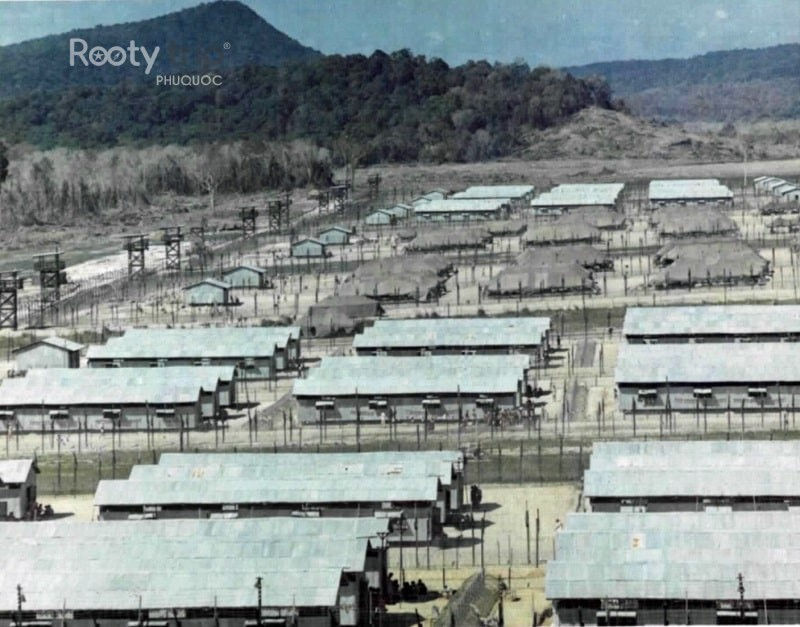
The museum sits in the south of the island, far from the crowded resorts.
The air inside is still, heavy with the scent of incense burning at memorial altars.
Outside, coconut palms sway; inside, they were once used as instruments of restraint.

The exhibit focuses heavily on the "tiger cage" replicas. Life-sized mannequins, twisted in pain, lie shackled to the floors. The lighting is dim, deliberately claustrophobic, forcing visitors to confront the physical geometry of torture. But beneath the wax figures lies a deeper wound: the psychological dismantling of human dignity.
The Scars You Cannot See

Prisoners were subjected to prolonged sun exposure on corrugated tin roofs.
"Stone presses" crushed limbs and extracted confessions.
Solitary confinement in lightless concrete boxes lasted months.
What makes these scars truly "hidden" is their proximity to paradise. As you exit the Phu Quoc Prison History Museum, the tropical heat hits you like a wall. A tourist sipping a coconut across the street likely has no context for the echoes trapped inside those walls. The museum forces a re-evaluation of the island's geography. Every stretch of sand, every quiet forest path, was once a potential escape route or a burial ground for a revolutionary soldier.

Visiting this site is not a passive activity. It is an act of bearing witness. The photos of former prisoners—skeletal, hollow-eyed—are not just history; they are a warning label on the land you are standing on. The scars are hidden beneath the surface of Phu Quoc's postcard image, but they are there, waiting to be seen.
Rooty Trip
Address: 191 Tran Hung Dao Street, Cua Lap Ward, Phu Quoc Special Zone, An Giang Province, Viet Nam
Phone: 0936 828 328
Email: ota.rootytrip@gmail.com
Website: https://rootytrip.vn/


Comments